
Hyaluronic Acid
The molecule that holds water in your skin.


What it is
Hyaluronic acid isn't exotic or new: it's a molecule your skin already makes. It occurs naturally throughout the body, where its job is to hold water: in the joints, the eyes, and especially in the skin, where it keeps the surface plump, cushioned and supple. A younger-looking complexion is partly just one with plenty of it. What makes it remarkable is its capacity. Hyaluronic acid can hold up to 1,000 times its weight in water, drawing moisture in and locking it against the skin. Formulas use different molecular sizes, with larger molecules hydrating and smoothing the surface while smaller ones carry water into the upper layers, so a well-built formula hydrates on more than one level at once. In a serum or cream, that same molecule replenishes the skin's natural moisture reservoir, instantly and with continued use. It's the rare ingredient that suits every skin type and layers under everything else, which is exactly why it turns up in so many routines as the quiet foundation the rest is built on.
Why it works
Hyaluronic acid is a humectant, meaning it attracts water and holds it in place. Applied to skin, it draws moisture into the upper layers and keeps it there, so the surface looks plumper, fine lines look softened, and the complexion regains the bounce that dehydration flattens. The effect is immediate, and it builds. Because it replenishes water rather than oil, it hydrates without heaviness and never disrupts the skin's balance, which is why it works as comfortably on oily skin as on dry. Applied to slightly damp skin and sealed with a moisturizer, it gives the barrier a full reservoir to draw from through the day, rather than leaving skin to lose water as fast as it takes it in.
Who it's for
Hyaluronic acid suits almost everyone, but earns its place fastest in routines for: Skin that feels tight, dry or dehydrated Complexions that look dull or flat by the afternoon Fine lines that look worse when skin is thirsty Anyone layering actives that can leave skin dry If your skin looks tired before the day's begun, this is the ingredient that refills it.
Why it matters
Skin's own hyaluronic acid declines with age and everyday exposure, to dry air, heating, sun and time, and as it falls, skin holds less water. The results show up as tightness, dullness, and fine lines that look deeper than they are. Much of what reads as "tired skin" is simply skin running low on the moisture it used to keep. Used consistently, hyaluronic acid restores that reservoir from the outside, giving the surface water to hold onto again. Skin looks plumper and more rested within days, and fine lines soften as hydration returns: less a transformation than skin looking like itself on a good day, every day.
Key benefits
- Deep Hydration — Draws moisture into the skin and holds up to 1,000 times its weight in water.
- Plumps Fine Lines — Restores surface bounce so lines look softened, instantly and over time.
- Suits Every Skin Type — Hydrates without heaviness, comfortable on oily and dry skin alike.
- Layers With Everything — A gentle base that sits happily under actives and moisturizers.

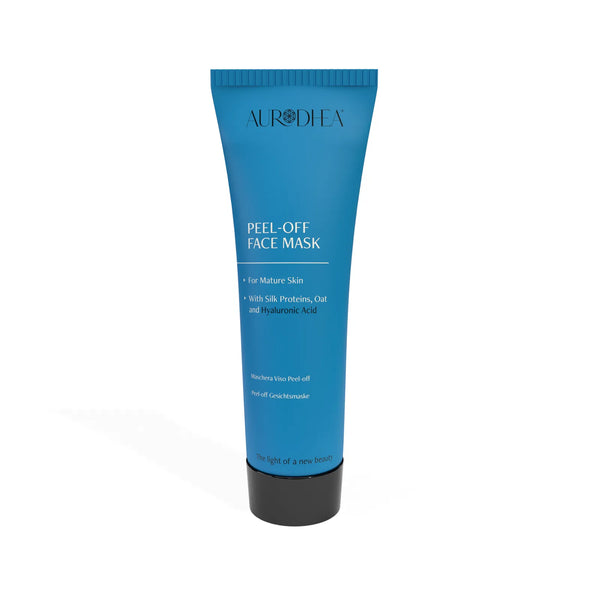
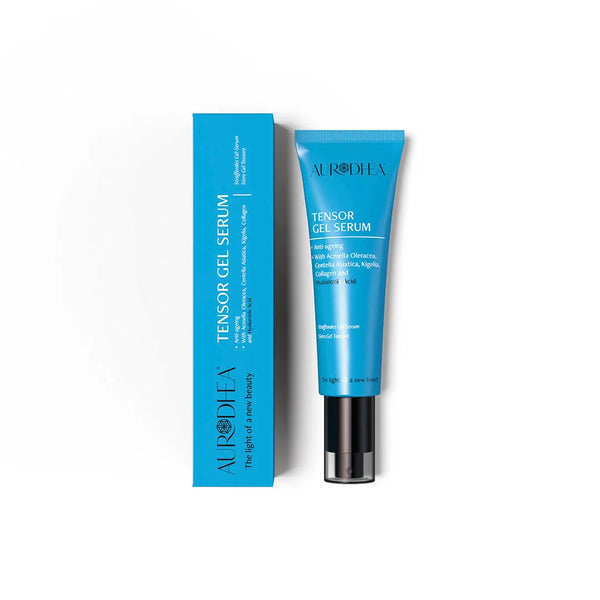
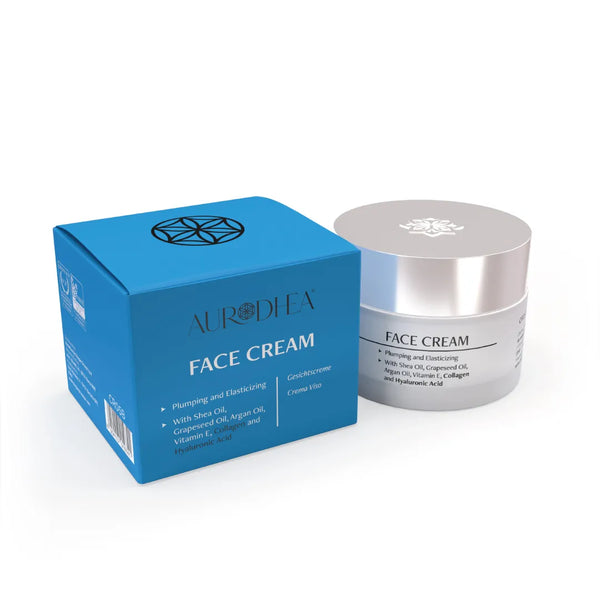
In the YU range
FAQ
How often can I use hyaluronic acid?
Can I use hyaluronic acid with other active ingredients?
Should I apply it to dry or damp skin?
How quickly will I see a difference?
Not sure where to start?
Take the skin quiz and we'll build a routine around your skin.
Start the quiz