
Argan
The liquid gold that restores what time and the elements take from skin.


What it is
Argan oil is pressed from the kernels of the argan tree, a species that grows almost nowhere outside south-western Morocco. Extracting it is slow, deliberate work: kernels are cracked, then cold-pressed for an oil rich in vitamin E, linoleic acid, and oleic acid. Moroccan women have relied on it for skin and hair for generations, long before it reached a wider audience. What sets it apart is its concentration of vitamin E and those same fatty acids, the ones that occur naturally in healthy skin, which is part of why it absorbs so readily rather than sitting on the surface. In modern formulas, that same oil is refined and blended into creams and masks, valued less for fragrance or texture than for what it gives skin back: resilience, density, a quieter kind of shine.
Why it works
Argan oil's fatty acid profile closely mirrors the lipids already present in skin's outer layer, which lets it integrate into the barrier rather than simply coat it. This reinforces skin's own defenses against moisture loss and outside irritants. Its vitamin E content works alongside this structural benefit as an antioxidant, helping to neutralize the free radicals generated by UV exposure and pollution that would otherwise accelerate visible aging. Together, the two mechanisms address both the symptom, dryness and dullness, and a contributing cause.
Who it's for
Argan oil rewards consistency, and earns its place fastest in routines for: Skin showing early signs of dryness or dullness Mature skin in need of firmness and elasticity support Skin exposed to sun, pollution or seasonal dryness Anyone wanting visible nourishment without a heavy feel If your skin is asking for richness without weight, this is the ingredient that answers.
Why it matters
Skin's ability to retain moisture and produce its own protective oils declines with age and sun exposure: collagen production slows, the lipid barrier thins, and skin that once bounced back starts to feel and look tired more easily. The change is mostly invisible day to day, then noticeable all at once. Used consistently, argan oil's antioxidants help counter some of that environmental wear, while its fatty acids reinforce the barrier directly. Skin tends to look less dull and feel more pliant within weeks, less a transformation than a steady restoration.
Key benefits
- Antioxidant Defense — Vitamin E helps counter everyday environmental damage.
- Deep Nourishment — Replenishes lipids skin loses with age.
- Improves Elasticity — Supports a firmer, more resilient look over time.
- Restores Radiance — Leaves skin with a healthy, even glow, not shine.

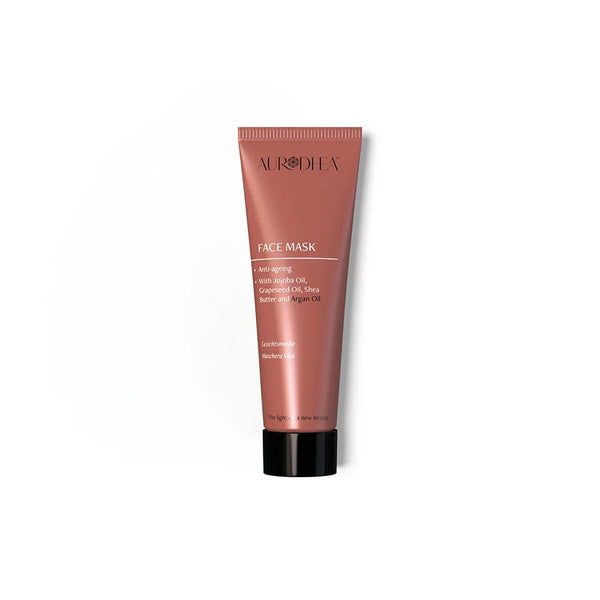
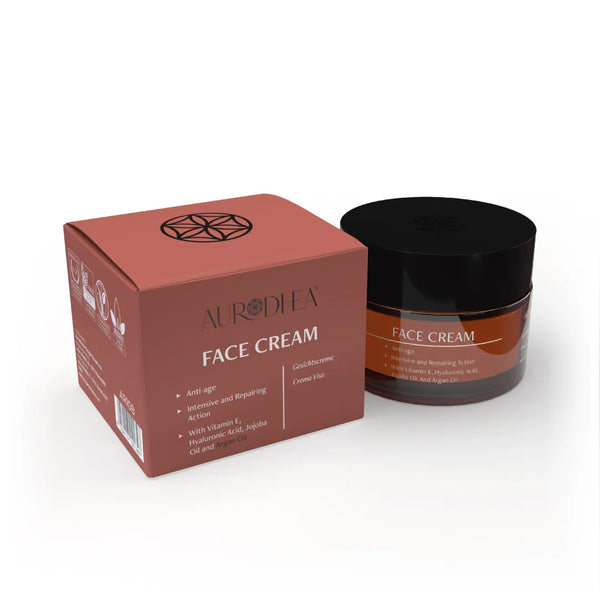
In the YU range
FAQ
How often should I use argan oil on my face?
Can argan oil be used with other anti-aging actives?
Is argan oil suitable for mature or dry skin?
How long until I see results?
Not sure where to start?
Take the skin quiz and we'll build a routine around your skin.
Start the quiz