
Aloe Vera
The everyday soother that calms and hydrates, and never asks much of your skin in return.


What it is
Aloe vera is a thick, spiky-leaved succulent that stores something simple: water. Cut a leaf open and you'll find a clear, gel-like flesh made mostly of that water, along with a quiet mix of vitamins, amino acids and plant sugars. People have applied that gel straight to their skin for thousands of years, long before "skincare" was a category at all. In modern formulas, the same gel is extracted, stabilized and worked into creams, cleansers and masks, kept close enough to its natural state to still do what it's always done: hydrate, soothe and calm. Few ingredients cross every skin type and every shelf quite like it. That versatility is the whole point. Aloe vera isn't a specialist chasing one result: it's a generalist. Reliable, gentle, and genuinely useful, day after day.
Why it works
Aloe gel is roughly 99% water, but the remaining 1% does the real work. Long-chain plant sugars form a light film across the skin's surface that slows moisture loss, while vitamins A, C and E add a mild antioxidant boost. That same plant-sugar structure has a calming effect on the skin's surface, taking the edge off redness and reactivity, a gentle mechanism rather than a dramatic one, which is exactly why aloe tends to suit skin that other ingredients don't.
Who it's for
Aloe vera is one of the rare ingredients that suits almost anyone, though it earns its place fastest in routines for: Sensitive or reactive skin that flushes or stings easily Dry, dehydrated skin in need of lightweight moisture Combination or oily skin that wants hydration without heaviness Skin regularly exposed to sun, wind or indoor heating If your skin just needs a moment to settle, this is the ingredient that gives it one.
Why it matters
Skin loses water constantly: to dry air, heating, wind, sun, and simply time passing. When the outer barrier can't hold onto that moisture, the results show up fast: tightness, flaking, redness, a complexion that looks tired before the day's begun. Much of what gets called "sensitive skin" is really a barrier working overtime. Used consistently, aloe vera gives that barrier something to work with. Skin that was dry starts to feel more supple within days, and redness softens. It's partly why aloe so often turns up in formulas built to support the rest of a routine, not compete with it.
Key benefits
- Deep Hydration — Holds water at the skin's surface without any heaviness.
- Calms Redness — Soothes irritation and that hot, tight feeling fast.
- Strengthens the Barrier — Helps skin hold onto its own moisture for longer.
- Plays Well With Others — Gentle enough to layer under actives, on every skin type.

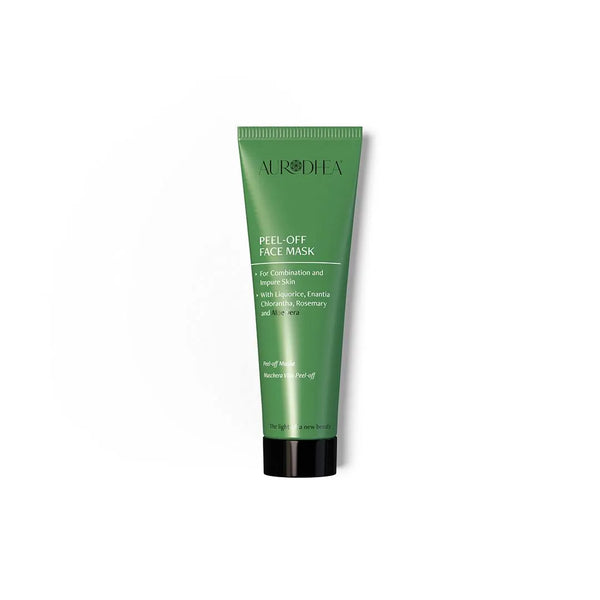
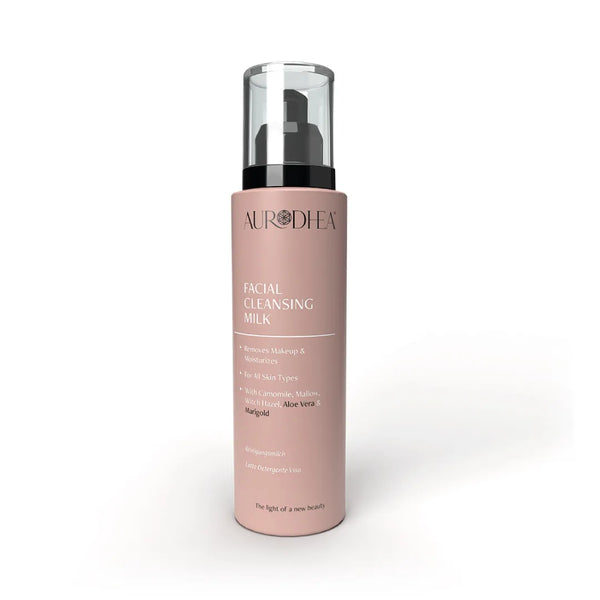
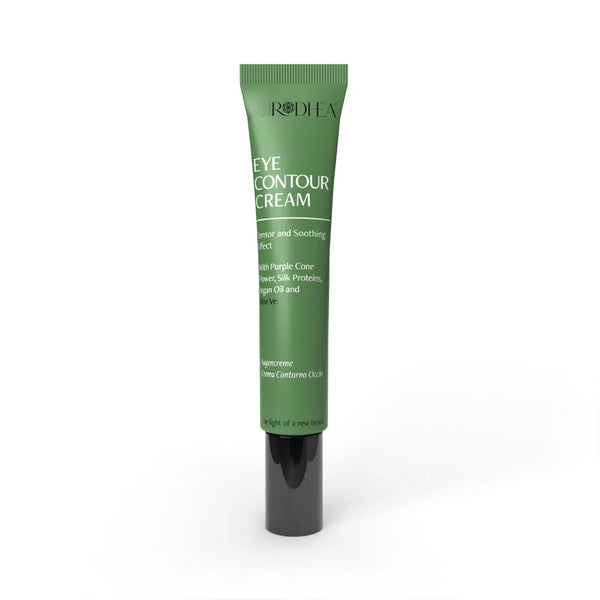
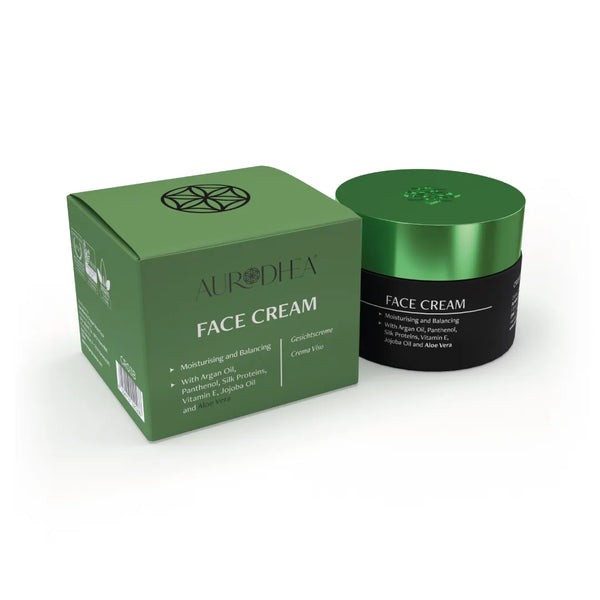
In the YU range
FAQ
How often can I use aloe vera on my face?
Can I use aloe vera with other active ingredients?
Is aloe vera good for sensitive skin?
How long before I notice a difference?
Not sure where to start?
Take the skin quiz and we'll build a routine around your skin.
Start the quiz